GIO Implements Pre-Broadcast Song Review
新聞局「先審後播」
Source: One “Formosa,” Each Wildly Misrepresented (Kuan Jen-chien)
From: Newtalk
Date: July 25, 2015
Author: Kuan Jen-chien
After Chiang Kai-shek’s death in 1975, a wave of local creative energy stirred on university campuses. College students, acoustic guitars and harmonicas in hand, were spontaneously singing in schools and on the streets — this was the “folk song movement.” Fearing the rise of local consciousness and democratic thought, Chiang Ching-kuo personally dispatched James Soong to the Government Information Office to serve as a political commissar. In late 1978, following the severance of US-Taiwan diplomatic relations, Soong was promoted from deputy director to acting director of the GIO, and formally took office as director in June.
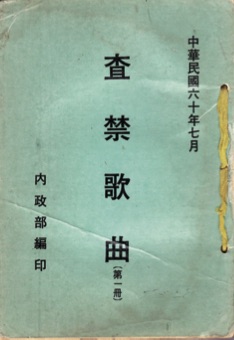
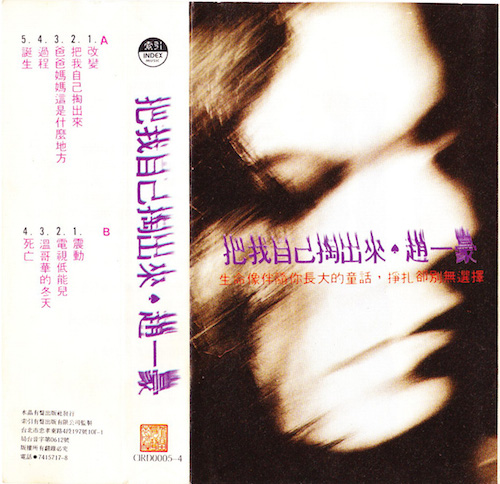
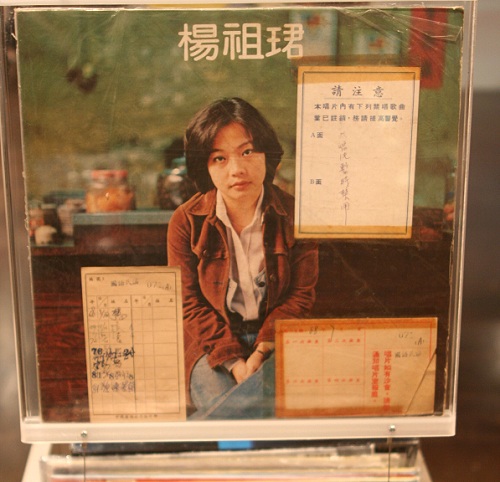
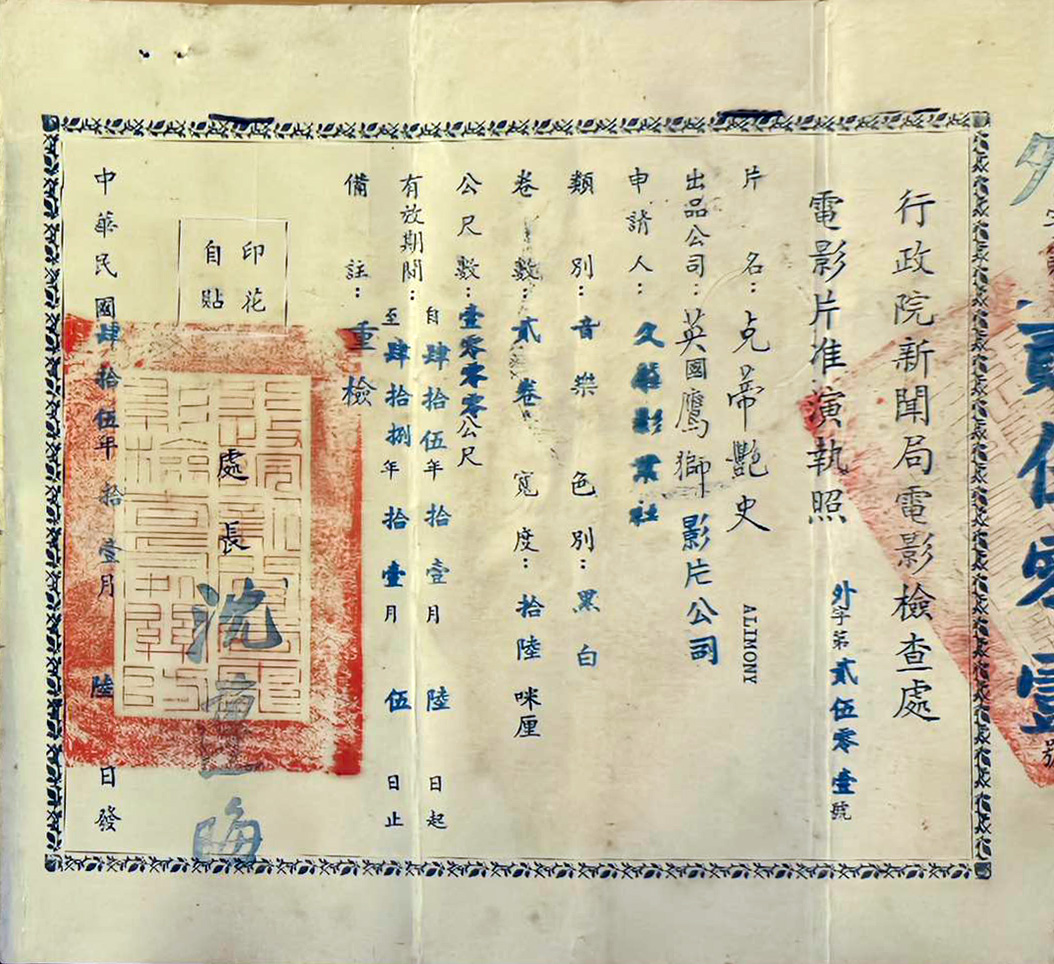
Previously, the GIO (and before it, the Ministry of Education’s Cultural Bureau) had conducted post-publication reviews of songs — many songs were only banned after they had already become hits, resulting in no shortage of farce. To prevent this kind of embarrassment from recurring, Soong, upon taking office, tightened ideological control and established a more rigorous censorship system. In 1979, the GIO mandated that all songs must be submitted for review both before release and before public broadcast.
External Links
- The GIO’s Limitless Banning Power, and Lee Tai-hsiang’s “Olive Tree” That Almost Got Banned (The News Lens)
- Executive Yuan Government Information Office (Wikipedia)
- The Formosa Era: The New President’s Inauguration Song Was Once a Banned Song in Taiwan (Gushi)
- Reflections and Suggestions on Pre-Broadcast Review (Journalism Studies)
- Tsao Yu-mei: The More You Ban It, the More Popular It Gets — Pop Songs That Were Once “Forbidden” (CommonWealth Magazine Independent Opinion)