Modernization of Classical Music in Taiwan
古典音樂的現代化運動
Source: A History of Taiwanese Music
From: United National Chinese Orchestra
Date: December 19, 2007 Author: Chen Hong-ling, Chen Bi-juan
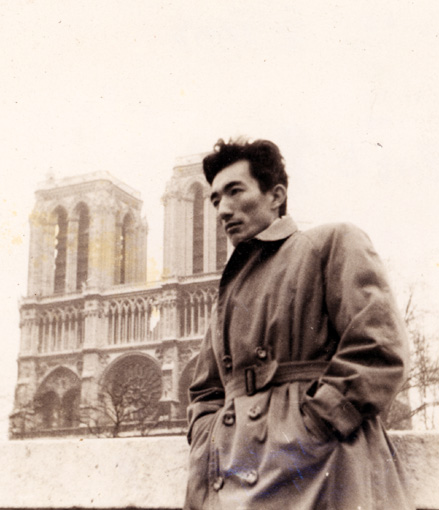
Prior to 1960, Taiwanese composers worked predominantly within the compositional theories of Western classical music. This changed when Hsu Tsang-houei returned from studying contemporary music in France and gave a solo recital in 1960 that met with a decidedly mixed reception. Hsu actively organized composers into groups and arranged concert series. The output of composer collectives during this period was prolific: the “Music Making Circle” (製樂小集) held 8 concerts; “New Music First Performance” (新樂初奏), “River Wave Music Ensemble” (江浪樂集), and “Five Composers Ensemble” (五人樂集) each gave 2 concerts; and the “Sunflower Music Society” (向日葵樂會) held 4 concerts. This era saw an unprecedented flourishing of composer groups and individual concerts. Though their use of modern compositional techniques provoked considerable opposition, it spurred the entire music community forward — broadening the field of view beyond the Western classical canon to encompass late Romanticism and the full range of contemporary music.
External Links
- Hsu Po-yun (Wikipedia)
- While Paying Tribute to Ennio Morricone, We Should Even More Pay Tribute to Hsu Po-yun! (New Network News)
- A History of Taiwanese Music (United National Chinese Orchestra)
- Hsu Tsang-houei — Composing Half a Century of Taiwan’s Musical Culture: A Mentor of 20th-Century Taiwanese Contemporary Music
- New Aspect 36 Visual Arts Exhibition — Remembering the Days We Spent Together (Fashion Home FUN Blog)