Modernism in Taiwan Reaches Its Peak
現代主義在台灣達到高峰
Source: Modernism in Taiwan — An Examination from the Perspective of the Sociology of Literature and Art
From: Taiwan: A Radical Quarterly in Social Studies, Vol. 4
Date: December 1, 1988 Author: Lü Zheng-hui
Taiwan’s rapid modernization in the 1950s and 1960s was the peak period of modernism’s development on the island. During this process, Taiwan’s intellectuals underwent an excessively rapid Westernization of their intellectual lives, becoming alienated from the general public. At the same time, their inability to smoothly adapt to a rapidly modernizing urban society produced a series of psychological crises. This double predicament gave rise to a crisis of self-identity among Taiwanese intellectuals, making them highly receptive to Western modernist literature saturated with alienation and anguish. Some modernist writers were able, to a considerable degree, to employ the techniques and ideology of Western modernism to express the political dilemmas and identity crises of Taiwan’s intellectuals in the 1950s and 1960s. This is the distinctive character of Taiwanese modernism.
External Links
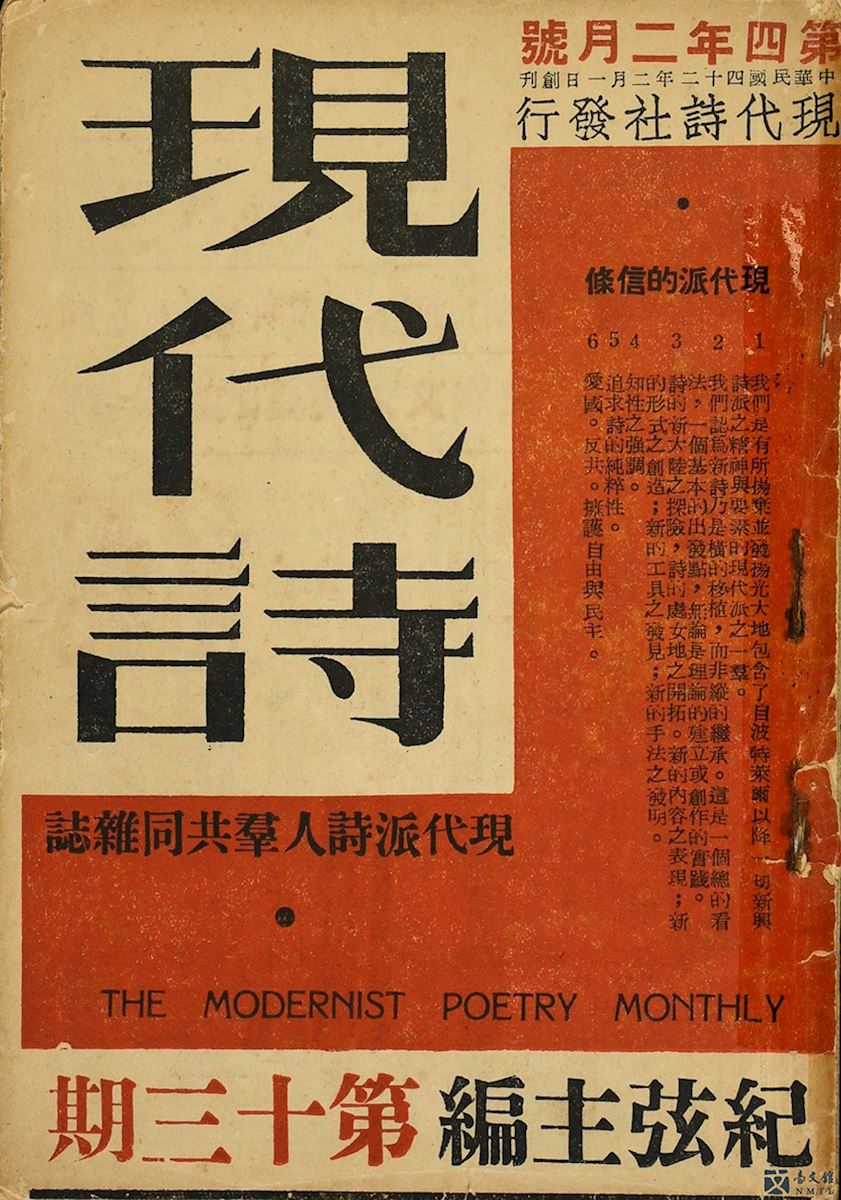
- Republication of Historical Document: Interpretation of the Modernist Creed (Ji Xian)
- The 1950s–1960s When Hong Kong and Taiwan Together Led Modernist Literature (Xu Wen-wei)
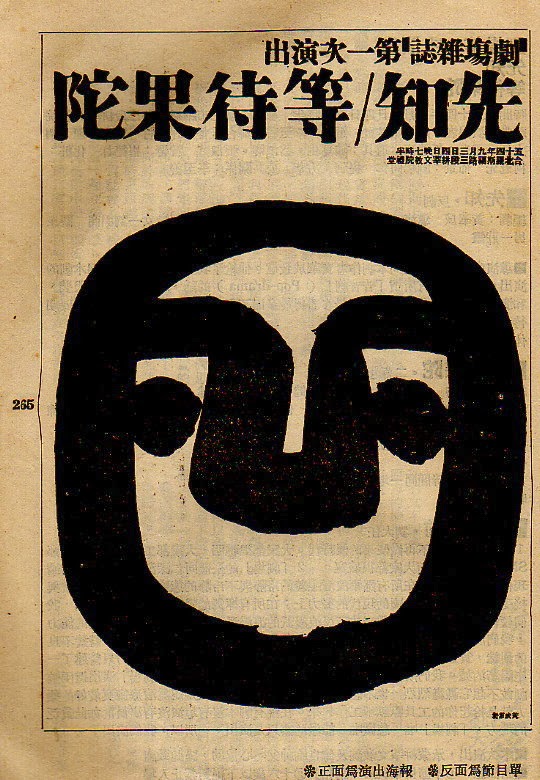
- Waiting for Godot and the Postwar Taiwanese Avant-Garde: On Theatre Magazine and Huang Hua-cheng’s Installation Art (ACT: Art Criticism from Taiwan)
- Modern Art (Taiwanese Art)
- Le Moulin: Why Does a Poetry Documentary Concern You and Me? (The Initium)