Small Record Factories Begin to Proliferate
小型唱片工廠紛紛出現
From: Hakka Affairs Council Academic Research Sponsorship Program Author: Zhuang Yu-zhen URL: Research on Postwar Taiwanese Hakka Record Publishing — Using Meile Records and Lingling Records as Case Studies
In the early postwar period, there were no record publishing companies yet in Taiwan; the management of records was limited primarily to restricting the circulation of Japanese-language publications. From August 1946, Japanese records were banned — making Japanese records from the colonial era or newly imported ones underground commodities that could not be publicly sold or broadcast. Not until March 1952, when the Legislative Yuan passed the amendments to the Publications Law, did a legal framework exist; Article 1 of that law explicitly incorporated records into the regulatory regime. As government-run and privately owned radio stations were established in the postwar era, and radio became Taiwan’s primary mass entertainment medium, record companies rose alongside it.
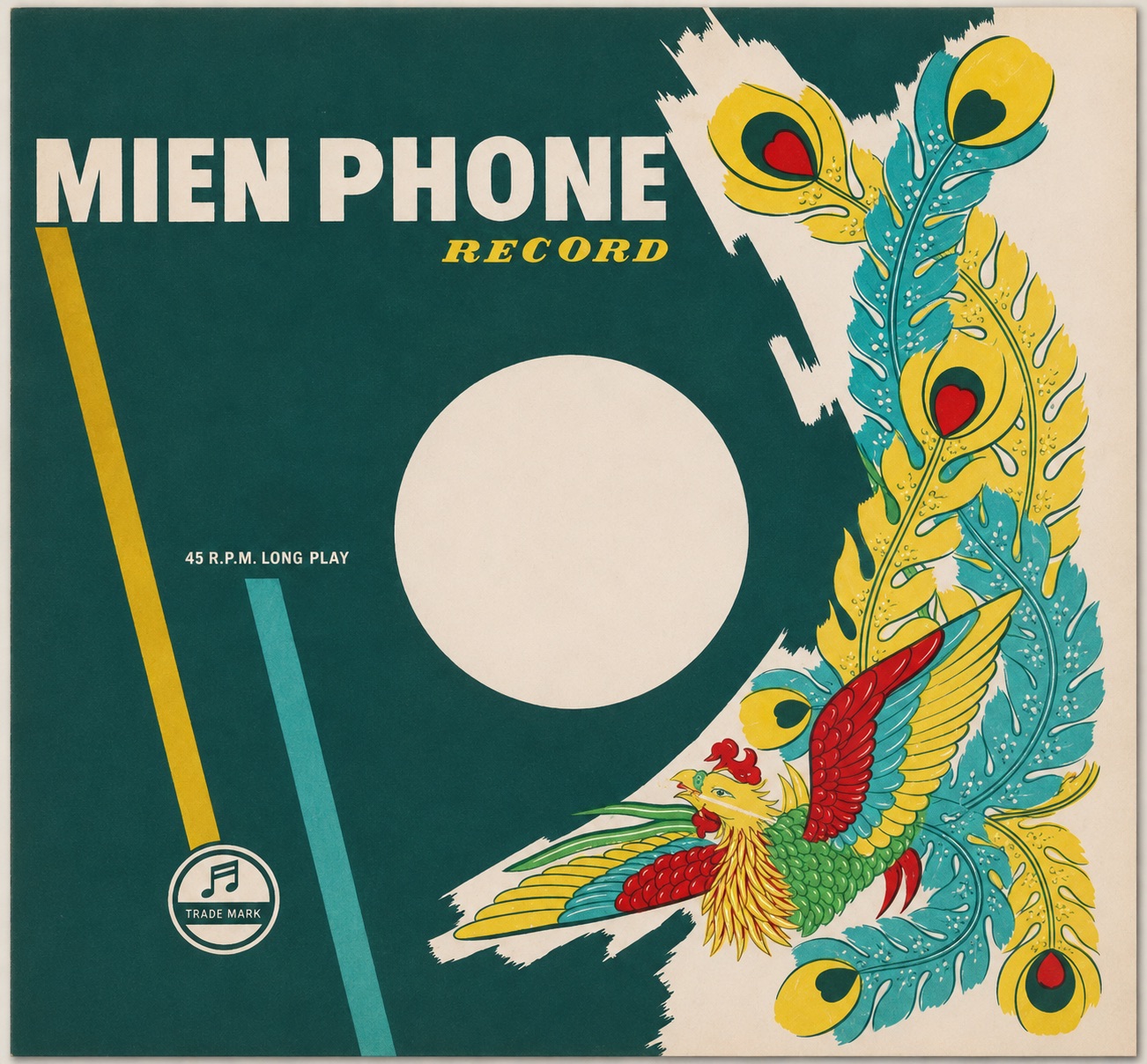
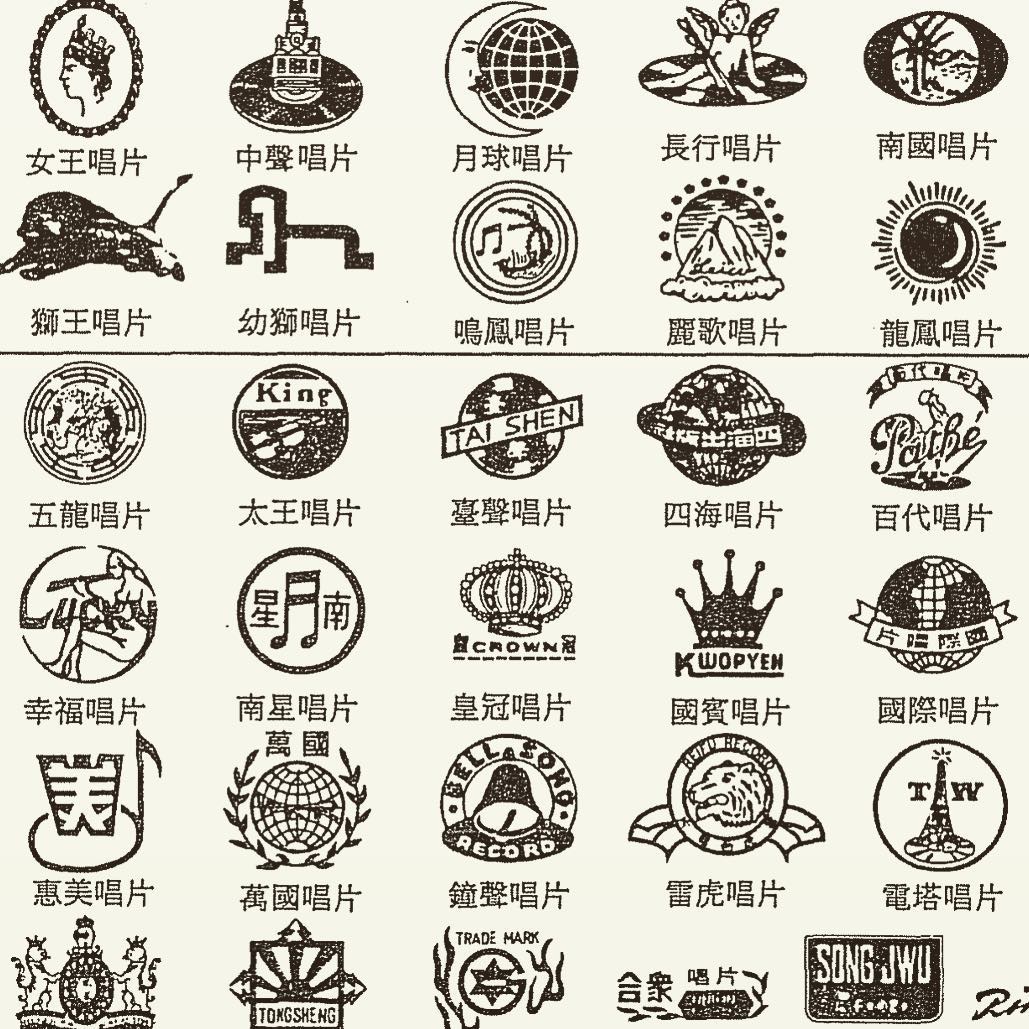
The record industry in the 1950s was centered on Taipei and fell broadly into three types: “bootleg contract pressing,” “self-produced recording and publishing,” and “import and retail sales.” In 1951, several small family-run record manufacturing plants began appearing in Taiwan, such as “Lìgē,” “Yàzhōu,” “Nǚwáng,” and “Fèngmíng.” In 1952, the China Record Company (China Record Corporation), operated by Xu Shi, set up the first pressing plant in Sanchong; over the years, the Sanchong area came to account for about 70% of Taiwan’s total record factories — roughly forty to fifty establishments — making it the most concentrated hub for record manufacturing in Taiwan.
External Links
- Taiwanese Record Development Timeline (Source: The Age of the Phonograph)
- A Brief History of the Taiwanese Record Industry (Source: Yuán Magazine)