Jinguang Glove Puppetry Rises to Popularity
金光布袋戲開始流行
Source: The Rise of Taiwan’s Gold-Light Glove Puppetry
From: Gold Light Revelation
Date: 2010 Author: Qiu Wu-de
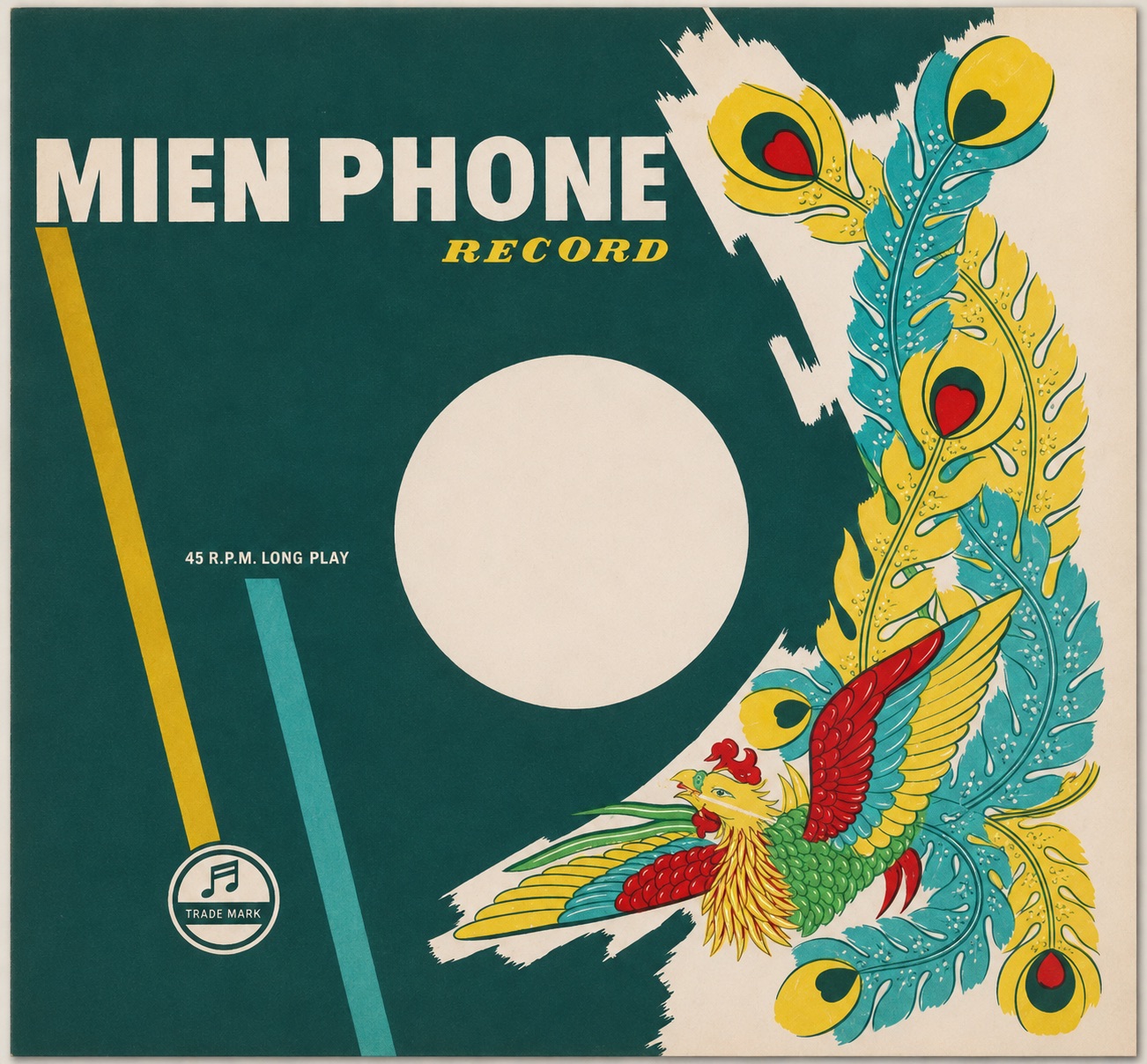
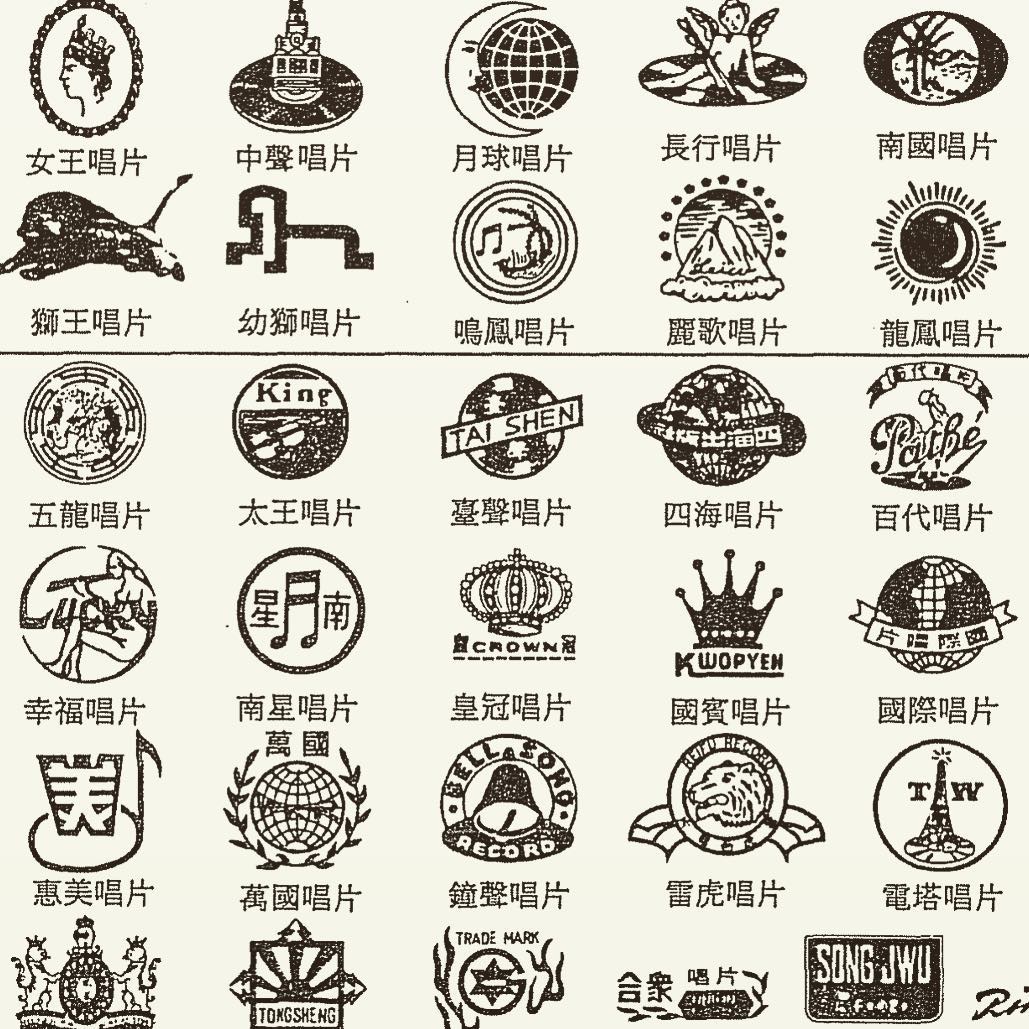
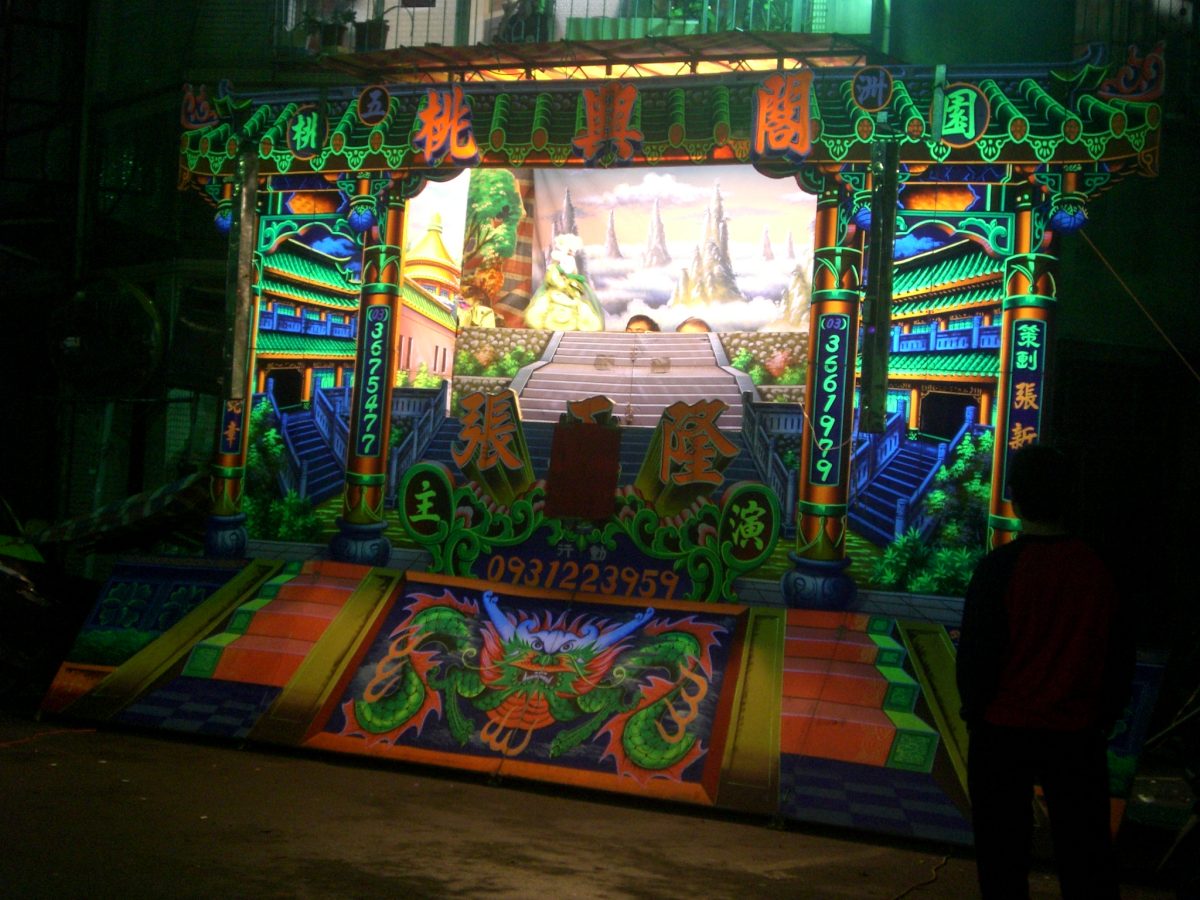
Glove puppetry (布袋戲, bùdàixì) originated in 17th-century Quanzhou on the Chinese mainland and spread throughout Minnan (southern Fujian) and surrounding regions over the following two to three centuries, with many distinct schools and styles. In postwar Taiwan during the 1950s, the Huang family’s Wuzhou Garden troupe developed the Gold-Light style (金光戲, jīnguāngxì), characterized by dazzling, glittering sets and costumes, which flourished at outdoor temple-stage performances across central and southern Taiwan. The legendary master Huang Jun-xiong, in his drive to dazzle audiences with spectacular special effects, extensively researched lighting and sound variations, and purchased recording machines to press vinyl records that replaced the traditional backstage percussion — creating a more vivid, dynamic atmosphere. Gold-Light puppetry gradually won enormous popularity across Taiwan for two to three decades, eventually evolving into the wildly famous Pili puppet drama franchise (霹靂布袋戲).
External Links
- Huang Jun-xiong — Master of Gold-Light Puppetry
- Glove Puppetry (Source: Wikipedia)
- The Su Family Troupe’s Long-Sealed Sound-Effects Vinyl Records — Witnesses to the Golden Age of Gold-Light Outdoor Puppetry (Source: Chuányì)
- Dazzling Gold-Light Steel Glove Puppetry (Source: Flowing Thoughts Blog)
- Kōminka-Era Glove Puppetry — Breaking the Rules of Traditional Puppetry (Source: Chuányì)