‘Taikè’ Cultural Debate
「台客」論戰
Source: All Sides of Taike Culture
From: New Messenger magazine
Date: 2005-12-10 · Author: Lee Hsin-jen
In August 2005, mass media saturation of the word “taike” triggered an academic and cultural debate. Opponents traced the word’s etymology: coined during the KMT rule of the 1950s, it was a derogatory term used by mainlanders to belittle Taiwanese — carrying deeply ethnic-discriminatory undertones. Supporters contended that “taike” represented a re-imagination and affirmation of Taiwan’s indigenous culture. The two sides could not settle the argument; it even moved then-President Chen Shui-bian to intervene and lower the temperature.
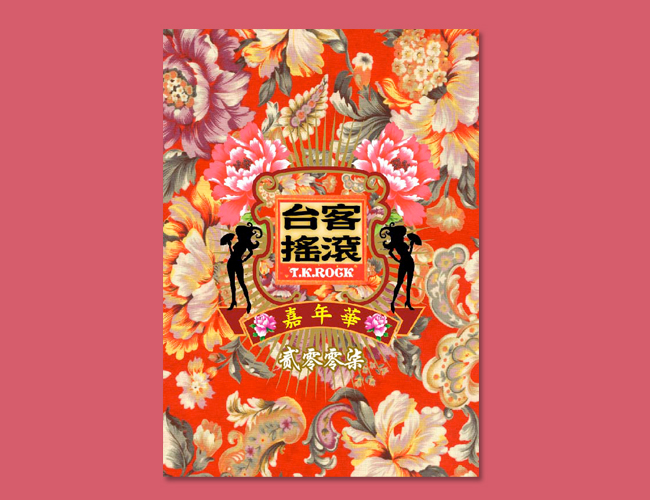
The turning point for the word “taike” came when Bloody Pigs (LTK Commune) released their second album, Revenge of the Taike, in 1999, giving “Taike Rock” and the “Taike Spirit” a meaning beyond ethnic discrimination in media for the first time — turning it instead into a kind of self-affirmation. In 2006, when the “Taike Rock Carnival” concerts jointly planned by Wu Bai, Lin Wei-che, Pigsy, and others made “taike” as a byword for a certain “uncool” image prevalent in the media, it gradually became everyday language among young people. But after the 2005 debate, the media nonetheless scaled back the frequency with which it deployed the word.
Call Me Taike!, Net and Book Publishing, 2005

External Links
- Taike (Jeph Lo)
- Taike Culture: A Spirit of Free, Original Creativity from Taiwan (Wu Chiung-chi)
- Not Afraid of Being Unfashionable — Wu Bai: Call Me Taike (Liberty Times)
- Bloody Pigs: A Taike Revolution to Overturn Oppression (Chang Tieh-chih)
- What Does “Tai” Mean? Ambiguous Territory in Taiwan’s Cultural Image (BigSound, Issue 3)