New Literature Movement
新文學運動
- Source:
- The New Literature Movement of the Japanese Colonial Period in Taiwan and Its Historical Context
From: Yidiǎnxīn Blog
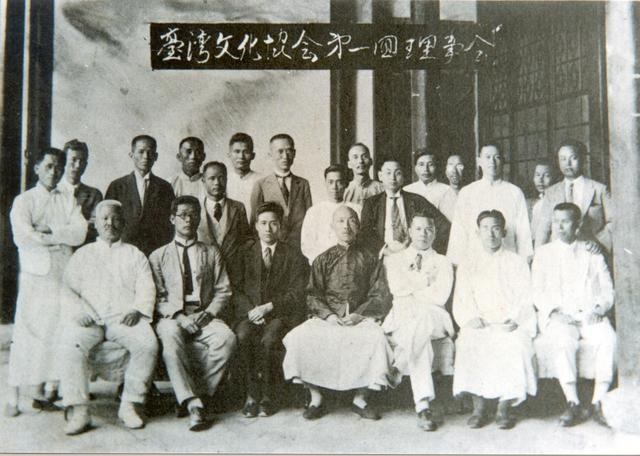
Date: October 29, 2009 Author: YidiǎnxīnTaiwan’s New Literature Movement can be traced back to the Han-Chinese social and political movements of the 1920s. A new generation, born after the onset of Japanese rule and fortunate enough to study in Japan, was shaped by the wave of national awakening that followed World War I; they began to critically interrogate their identity under colonial rule. In 1920, these Taiwan-born students in Tokyo founded the New Citizen’s Society (Shinminkai); the following year, Chiang Wei-shui established the Taiwan Cultural Association under its guidance. The Association promoted intellectual literacy, modern thought, and resistance to Japan’s de-Sinicization policies through its newsletter, public lectures, theater troupes, and popular film screenings. Under the Cultural Association’s wide-ranging influence, not only did the New Literature Movement take root, but a reformation of theater also began to emerge.
Tags
- Intellectual Currents
- Literature
- Japan
- Realism
External Links
- Taiwan’s New Literature Movement Since the Japanese Colonial Era — From Modernism to Nativist Literature and Its Transformations (Yīdú)
- The New Literature Movement During the Japanese Colonial Period in Taiwan
- Lai He and the New Taiwanese Literature Movement (National Cheng Kung University)
- Literary Journals and the Development of New Taiwanese Literature: Observations from the Japanese Colonial Period (Wénxùn Magazine)