標籤 Tag

本土意識 Nativist Consciousness

← 返回年表 ← Back to timeline
1976
USIS Hosts Hung Tung Solo Exhibition
美新處舉辦洪通個展 USIS Hosts Hung Tung Solo Exhibition

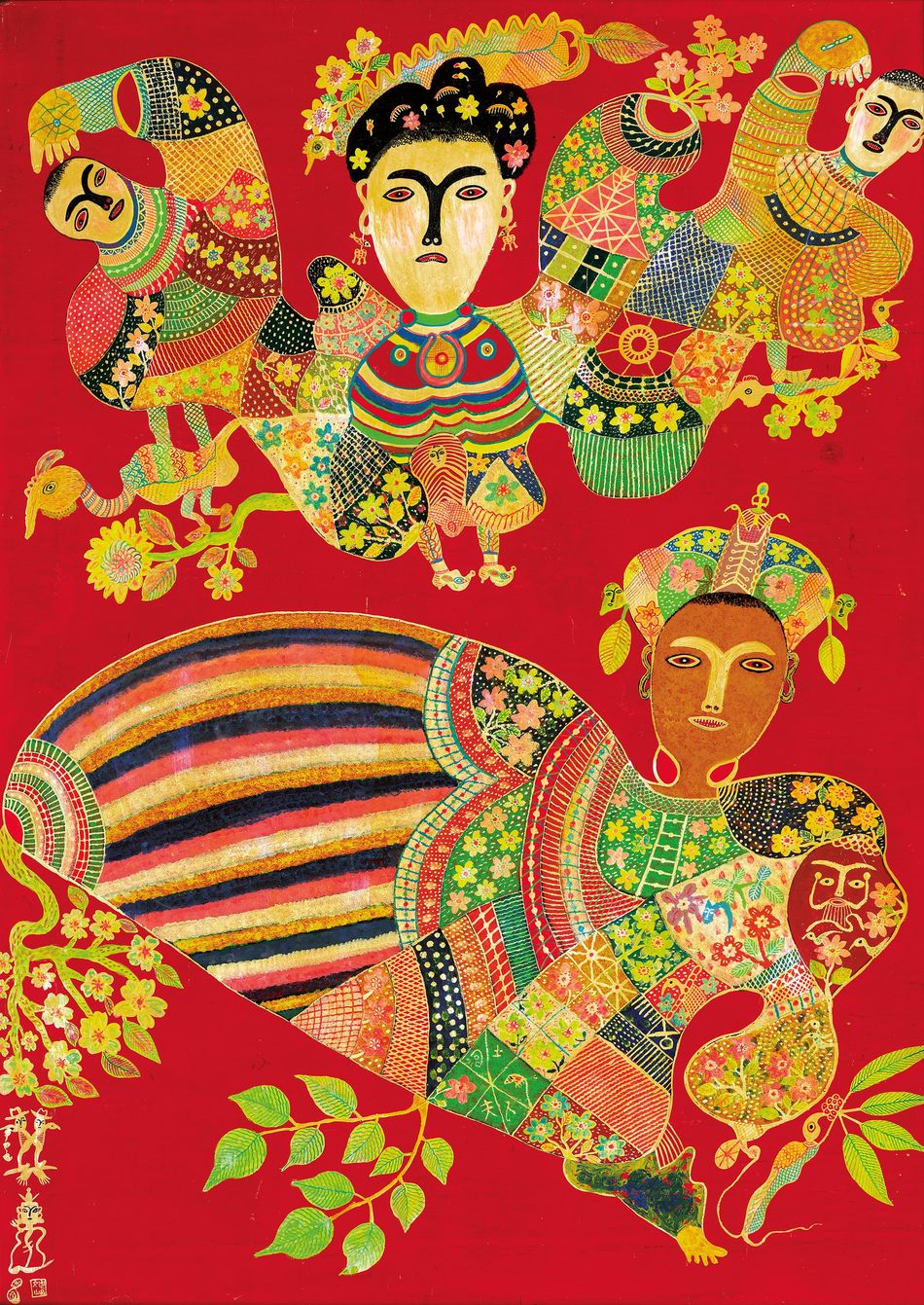
洪通50歲開始閉門自學研究繪畫,1972年一次南鯤鯓代天府廟前攝影比賽機緣,意外獲得漢聲雜誌報道,70年代掀起一股「洪通狂潮」,1976年洪通在台北美國新聞處林肯中心舉辦首次個人的畫展,震撼台灣藝壇。 Hung Tung began teaching himself to paint in his fifties. A 1972 feature in Echo Magazine brought him unexpected attention, sparking a 'Hung Tung craze' in the 1970s. In 1976, his first solo exhibition at the Lincoln Center of the American Institute in Taipei shook the Taiwanese art world.

Li Shuang-ze’s ‘Coca-Cola Bottle’ Incident
李雙澤的「可樂瓶事件」 Li Shuang-ze’s ‘Coca-Cola Bottle’ Incident

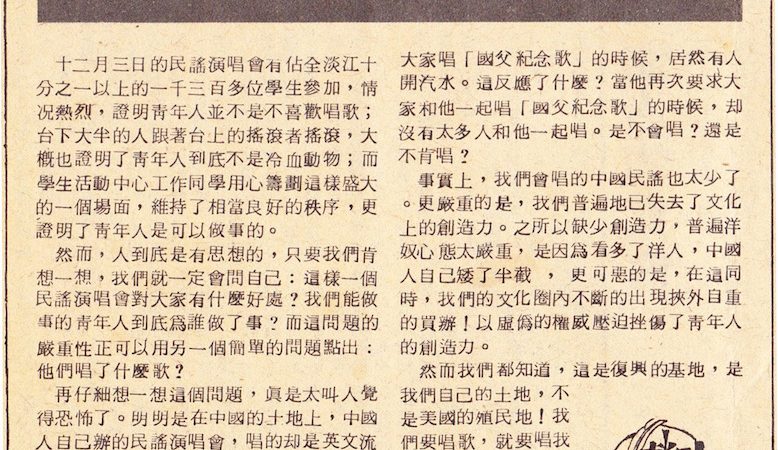
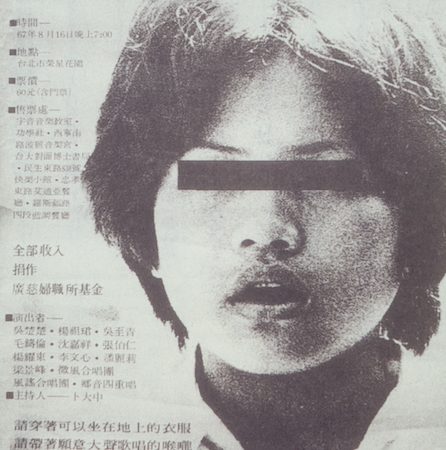
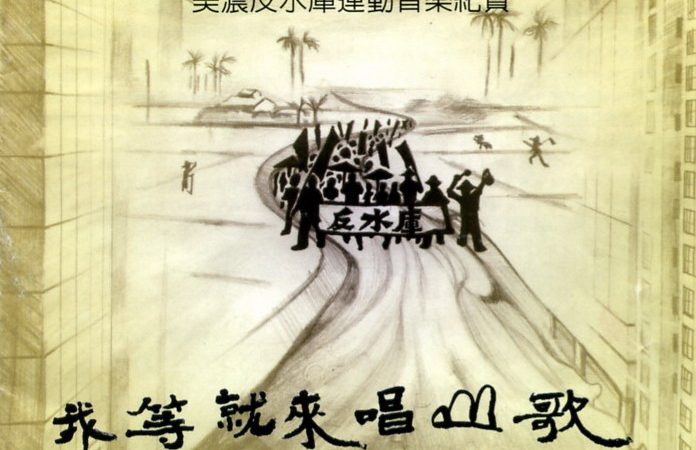
1976年(民國65年)12月3日,李雙澤在淡江文理學院舉辦的一場西洋民謠與熱門音樂演唱會上,登高一呼「我們應該要唱自己的歌」,註記下了校園民歌運動的轉捩點。 On December 3, 1976, at a Western folk and pop music concert held at Tamkang College, Li Shuang-ze stepped forward and declared, 'We should be singing our own songs' — marking a turning point in the campus folk song movement.

2005
Electronic Nezha Appears at Temple Festivals in Tainan and Kaohsiung
台南、高雄廟會出現「電音三太子」 Electronic Nezha Appears at Temple Festivals in Tainan and Kaohsiung

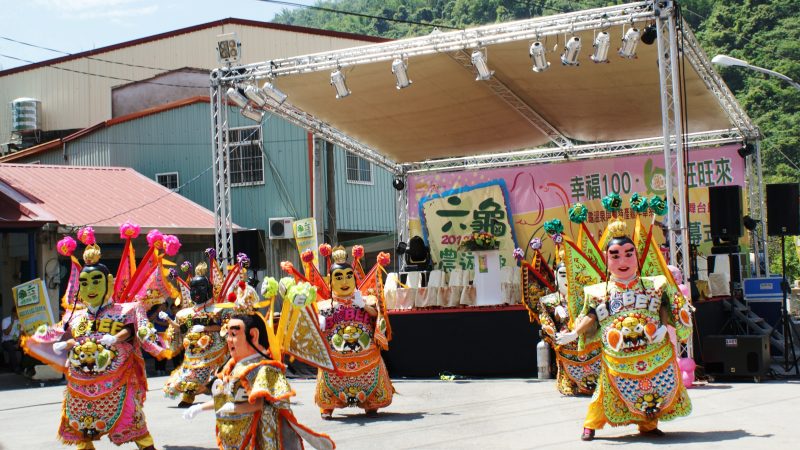
「電音三太子」源自台灣民間信仰中的「哪吒」,大約自2006年起,北港太子會、朴子太子團等團體將電子音樂、流行音樂搭配陣頭演出,親民又有活力的特色逐漸被視為台灣本土文化的重要象徵。 Electronic Nezha (電音三太子) is rooted in the folk deity Nezha. Beginning around 2006, groups like Beigang Taizi Hui and Puzih Taizi Tuan began pairing electronic and pop music with traditional temple parade performances. Their approachable, energetic style gradually became recognized as an important symbol of Taiwanese grassroots culture.

Taikè Rock Carnival
台客搖滾嘉年華 Taikè Rock Carnival

台語由滾歌手伍佰指出,台灣一直沒有超越語言、族群的文化,自2006首次舉辦的「台客搖滾嘉年華」演唱會就是由伍佰等眾多音樂人推動台客流行文化活動之一。 Taiwan rock musician Wu Bai has observed that Taiwan has never had a culture that transcends language and ethnicity. The Taikè Rock Carnival, first held in 2006, was one of the events promoted by Wu Bai and many other musicians to popularize taikè (台客) cultural identity.

Tsai An-chih Launches Taiwan Sound Project
蔡安智發表「台灣音計畫」 Tsai An-chih Launches Taiwan Sound Project

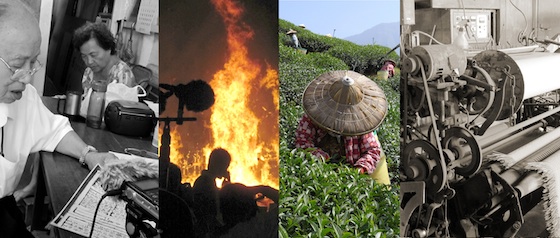
《台灣音計畫》深入全台計畫性的聲音採集,以主題整合的方式、地域特殊性挑選全台八十至一百個定點,透過聲音採集循線將在地文化觀點與議題和自然、 環境、經濟、社會、人文等相關議題結合。 The Taiwan Sound Project conducted systematic field recordings across the island, selecting eighty to one hundred sites across Taiwan through thematic and regionally specific criteria, using sound to connect local cultural perspectives with issues in nature, environment, economics, society, and the humanities.

01 / 28