
1995年大學聯考結束後,台北市政府於新生南路封街舉辦「讓我們飆舞去:青少年仲夏夜舞會」。 After the university entrance exams concluded in 1995, the Taipei City Government closed off Xinsheng South Road to host 'Let's Dance in the Streets: Youth Midsummer Night Dance Party.'
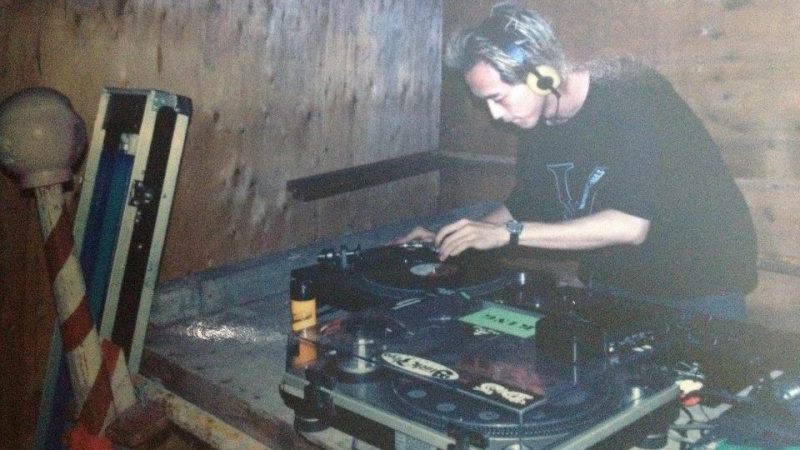
1995年7月29日,這是台灣電音舞曲歷史上關鍵的一天,DJ @llen與朋友們用卡車載運音響,在二重疏洪道舉辦了台灣第一場戶外瑞舞派對。 July 29, 1995 was a pivotal day in the history of Taiwanese electronic dance music. DJ @llen and friends loaded speakers onto a truck and held Taiwan's first outdoor rave party at the Erchong Flood Diversion Zone.
雖然電音與瑞舞活動在90年代都尚未成為主流,但就已成時髦與流行的代名詞,1996年台北市政府起用市民廣場的活動號召即為─超級市民,瑞舞狂歡。 Although electronic music and rave events had not yet entered the mainstream in the 1990s, they had become synonymous with modernity and cool. In 1996, the Taipei City Government used the Citizen Plaza with the event motto: 'Super Citizens Rave Carnival.'
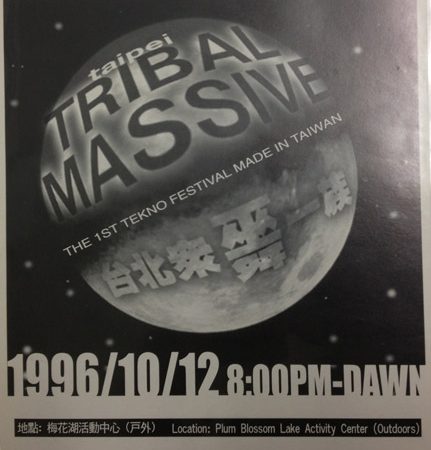
1996年,台灣DJ界名號最響亮的@llen 與EDGE在新店梅花湖合辦"Taipei Tribal Massive",是台灣第一個大型的戶外瑞舞會。活動晚間十點過後,當地警方以活動未經申請為由要求結束活動,主辦單位最後決定停止播放音樂。 In 1996, Taiwan's most prominent DJs @llen and EDGE co-organized a rave at Meihua Lake in Xindian — the first electronic dance party in Taiwan to be forcibly stopped by police.
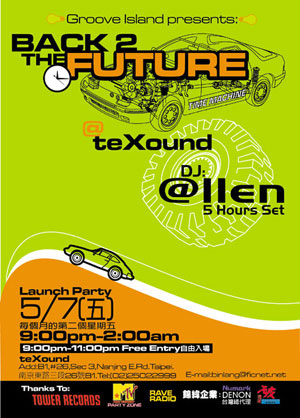
teXound是90年代末台北以專注於播放電子舞曲而出名的舞廳。teXound 於'99年開幕,從店名、招牌所採用的字體和舞廳燈光音響設計,還有經驗豐富的DJ,無一不忠實呈現出電子舞曲特有的未來感。 TeXound was a Taipei club known in the late 1990s for its exclusive focus on electronic dance music. Opening in 1999, everything from its name, signage typography, and lighting and sound design to its experienced DJ roster faithfully evoked the futurist aesthetic characteristic of electronic dance culture.
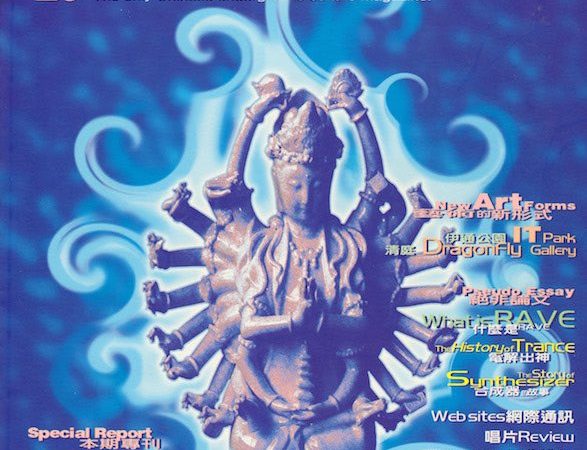
《PLUR》雜誌創刊於1997年,是台灣唯一的電音文化雜誌,由「藍月唱片」發行,張耘之(Monbaza)為主要撰寫者,除了樂評、銳舞場景,還有時尚、前衛藝術的報導,全文中英對照,美編極具未來電子的迷幻感美編極具未來電子的迷幻感。 *PLUR* magazine was founded in 1997 — Taiwan's only electronic music culture magazine, published by Blue Moon Records with Zhang Yun-zhi (Monbaza) as primary writer. Covering music criticism, rave culture, fashion, and avant-garde art, with full Chinese-English bilingual text, its design captured the psychedelic futurism of electronic culture.
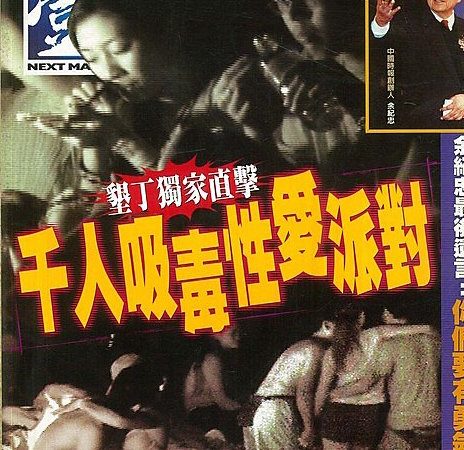
2002年的墾丁,除了春天吶喊,大尖山還舉辦了Moonlight 以及Dream Field等兩場戶外電音派對,密集的活動吸引媒體前來以獵奇的筆法密集報導觀眾放蕩行為,其中以壹週刊的「千人吸毒性愛派對」等誇大標題與圖文引起大眾熱議。 In 2002, in addition to Spring Scream, Kenting hosted two outdoor electronic parties at Dajianshan — Moonlight and Dream Field. The cluster of events attracted media coverage luridly sensationalizing audience behavior, most notoriously the Next Magazine's exaggerated headline 'Thousand-Person Drug-Fueled Sex Party.'
2002年陳史帝與朋友於台中組成「麥芽精釀工作室」,為少數在台北之外的實驗電子音樂推廣據點,從事音樂創作、販售罕見唱片、教授樂器彈奏與DJ技術,並舉辦台中第一場噪音藝術節「電子原音的反擊」。 In 2002, Chen Shih-ti and friends formed 'Malt Craft Studio' in Taichung — one of the few hubs for experimental electronic music outside Taipei. It engaged in music production, sold rare records, taught instrument playing and DJ skills, and organized Taichung's first noise art festival.
由林宏璋及吳忠良策畫的第三屆「火舞祭」是,一場火與鼓聲的融和,在華山舉辦的免費戶外音樂晚會,當晚有興趣的人,就可自動上場表演,一旁也設有電子音樂區,由國內外DJ如@llen和fish擔任DJ。 The third 'Fire Dance Festival,' organized by Lin Hung-chang and Wu Chung-liang, was a fusion of fire and drums — a free outdoor music evening at Huashan where anyone interested could perform. An adjacent electronic music zone was hosted by international DJs including @llen and fish.
台北兩間主要的電音舞廳(或者說是夜店)2nd Floor與Texound,在台北舞吧燦爛多姿的2003年因為被視為毒品文化滋長的特殊場所,遭警方施壓而相繼於年底被迫停業。 Taipei's two major electronic dance clubs — 2nd Floor and TeXound — were forced to shut down by year-end 2003. Amid a vibrant nightlife scene, both were pressured by police who regarded them as hotbeds of drug culture.
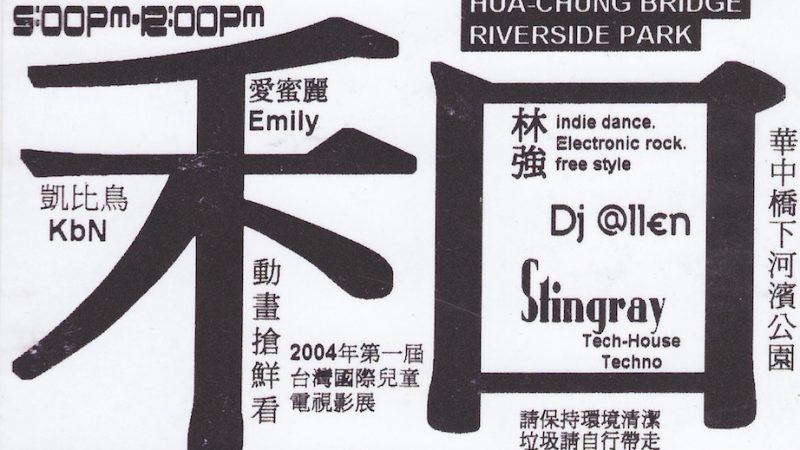
「和」Party出現在戶外瑞舞派對紛紛被迫停辦的時期,「和」倡導音樂的自主性,每個月一次就像是固定的儀式和觀禮。 The He Party emerged during a period when outdoor raves were being shut down one after another. Advocating for musical autonomy, it was held once a month as a recurring ritual and gathering.
羅百吉談起紅極一時的戰鬥舞,幾乎也只能夠用舞曲〈FIRE〉、桃竹舞廳、桃園舞神和貓董俱樂部等等關鍵字來描述,但那幾乎是2006年間,除了舞廳被冠上「搖頭店」之外最為人記得的舞池裡的電音大會操。 When Lo Pai-chi discusses the once-wildly-popular Combat Dance, the story can only be told through keywords: the track FIRE, Taoyuan-Hsinchu dance clubs, the 'Taoyuan Dance God,' and Mao Dong Club. Around 2006, it was the most memorable thing happening on dance floors — besides the clubs being branded 'head-shaking drug…
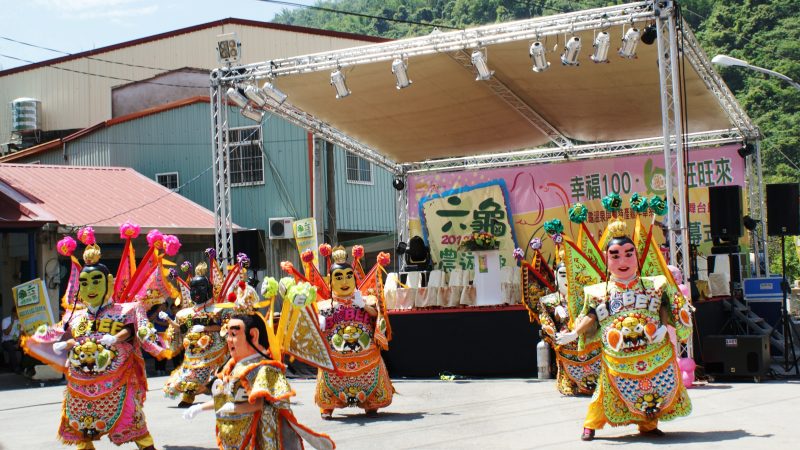
「電音三太子」源自台灣民間信仰中的「哪吒」,大約自2006年起,北港太子會、朴子太子團等團體將電子音樂、流行音樂搭配陣頭演出,親民又有活力的特色逐漸被視為台灣本土文化的重要象徵。 Electronic Nezha (電音三太子) is rooted in the folk deity Nezha. Beginning around 2006, groups like Beigang Taizi Hui and Puzih Taizi Tuan began pairing electronic and pop music with traditional temple parade performances. Their approachable, energetic style gradually became recognized as an important symbol of Taiwanese grassroots culture.