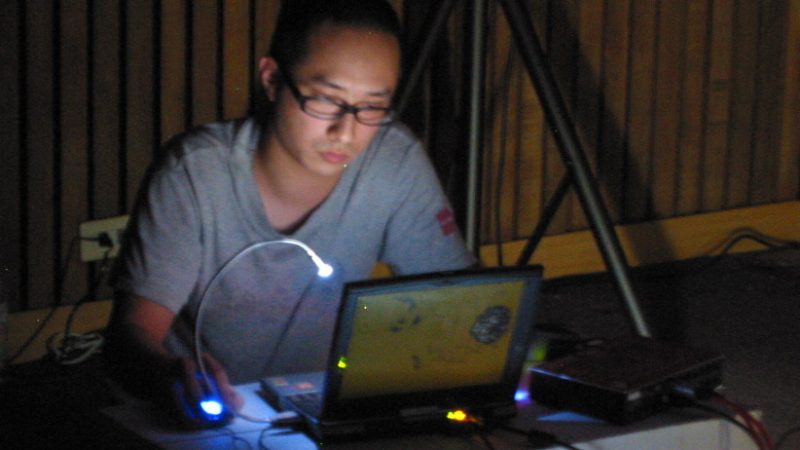

Miller Puckette等人自1988年開始研發的Max/MSP系統,由原本MIDI操控為主的功能,進步到聲音訊息的即時處理之功能,使電腦的角色在音樂作品中的角色與功能,成為一個即興的演奏者。 The Max/MSP system, developed by Miller Puckette and others beginning in 1988, advanced from MIDI control toward real-time audio processing, allowing the computer to function as an improvising performer within musical compositions.
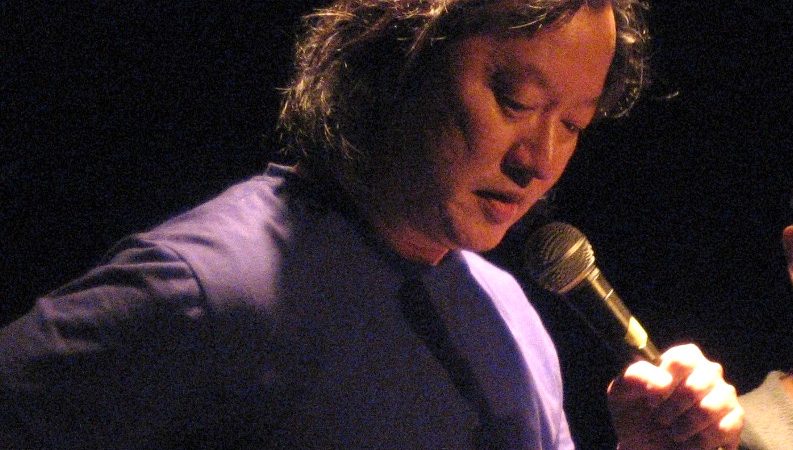
1970 年代起姚大鈞即開始創作前衛、實驗音樂的姚大鈞,2003年回台開課,主持「電腦音樂實驗室」。 Yao Dajuin, who had been creating avant-garde and experimental music since the 1970s, returned to Taiwan in 2003 to teach and direct the 'Computer Music Laboratory' at Taipei National University of the Arts.
1970 年代起姚大鈞即開始創作前衛、實驗音樂的姚大鈞,2003年回台開課,主持「電腦音樂實驗室」。 Yao Da-chun, who had been creating avant-garde and experimental music since the 1970s, returned to Taiwan in 2003 to teach and direct the 'Computer Music Laboratory' at Taipei National University of the Arts.
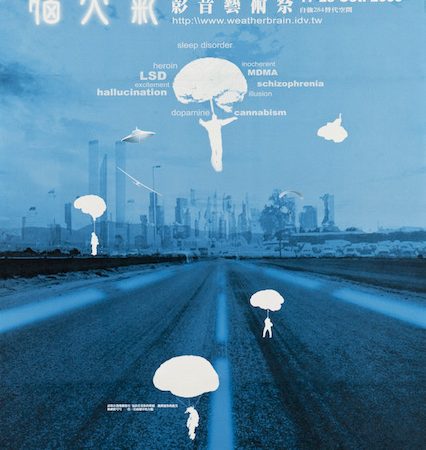
腦天氣音樂祭取其日本關東方言漢字,衍生其意為「大腦裡的天氣(WeatherinMyBrain)」,邀請全國影音、多媒體等不同領域之藝術團隊參與該次活動,自2003年起連續舉辦了三屆。 Brain Weather Music Festival takes its name from a Japanese Kanto dialect character compound, extended to mean 'Weather in My Brain.' It invited arts groups from across film, sound, and multimedia fields, and was held for three consecutive years from 2003.
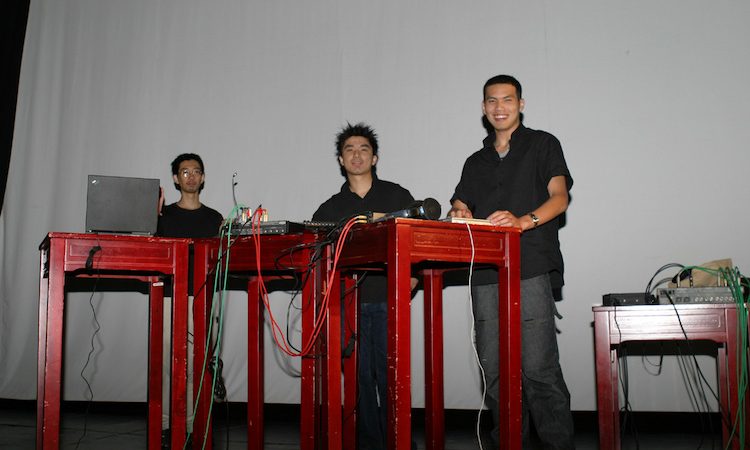
在姚大鈞的催生下,「台北聲音小組」於2003年組成,成員為李岳凌(Rio)、陳立威(Wei)、謝仲其(Wolfenstein)。其創作形式以具象音樂為主,並使用田野錄音為素材。 Under the initiative of Yao Dajuin, the 'Taipei Sound Group' was formed in 2003, with members Li Yueh-ling (Rio), Chen Li-wei (Wei), and Hsieh Chung-chi (Wolfenstein). Their creative approach centered on musique concrète, using field recordings as raw material.
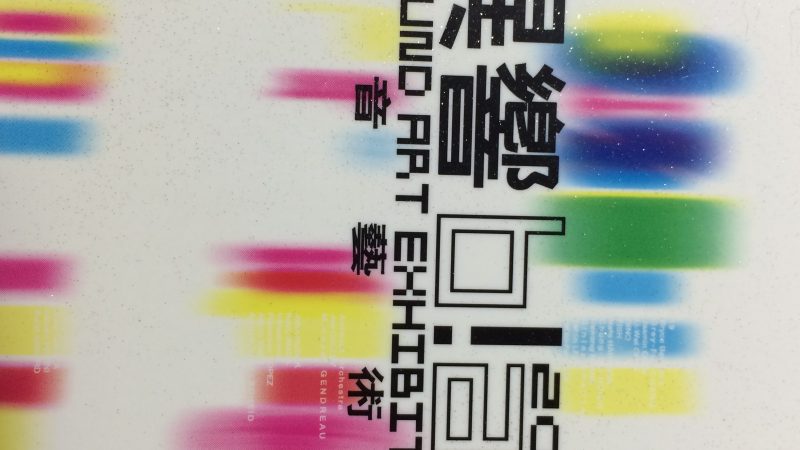
「在地實驗」於2003年舉辦了「異響∕Bias」聲音藝術展,向全世界徵選聲音藝術作品。這項台灣第一次的聲音藝術展為2000年代的聲音運動決定了方向。 Etat Lab organized the 'Bias (異響)' Sound Art Exhibition in 2003, calling for entries from around the world. As Taiwan's first dedicated sound art exhibition, it set the direction for the sound movement of the 2000s.
Co6台灣前衛文件展:度(Do)當中的跨領域策劃展「複音馬賽克」由粘利文、郭昭蘭、吳燦政組成的策展團隊「蜜糖藍激隊」希望藉著此展能對台灣的聲音藝術進行一個重新檢討與整理。 The interdisciplinary curatorial unit 'Polyphonic Mosaic' within the Co6 Taiwan Avant-Garde Documentation Exhibition: Do was organized by the curatorial team 'Honey Blue Passion Squad' — Zhan Li-wen, Kuo Chao-lan, and Wu Can-cheng — aiming to conduct a comprehensive review and reordering of sound art in Taiwan.
「南海啥聲」由i/O SoundLab.主辦,自2006年起陸續在南海藝廊舉辦數「南海啥聲1」、「南海啥聲2」、「南海啥聲3」三場表演,主要成員包括蔡欣圜、張永達、王仲堃與姚仲涵等人。 Nanhai What Sound was organized by i/O SoundLab, presenting three consecutive performances — Nanhai What Sound 1, 2, and 3 — at the Nanhai Gallery from 2006. Core participants included Tsai Hsin-yuan, Chang Yung-ta, Wang Chung-kun, and Yao Chung-han.
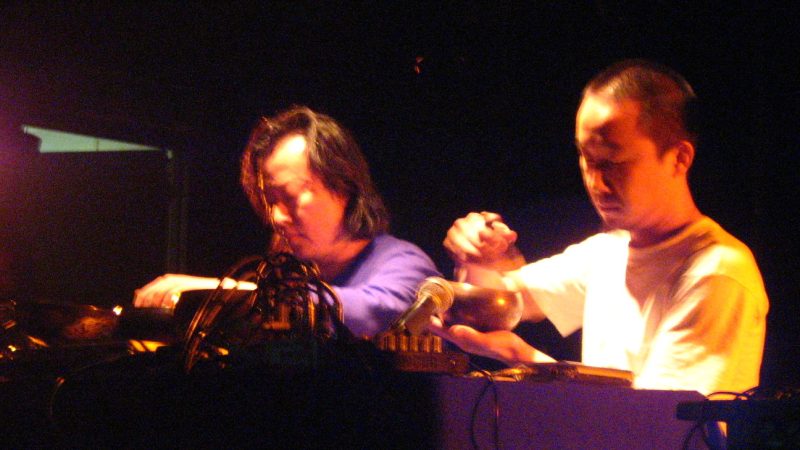
2006年在THE WALL售票演出的「聲交:兩岸聲音藝術交流大匯演」由台灣與中國的聲音藝術家接連演出,包括蔡欣圜、謝仲其、立威、背信棄義的雙魚座人(顏峻+姚大鈞)、顏峻等人。 The 2006 ticketed event 'Sound Exchange: Cross-Strait Sound Art Exchange Concert' at THE WALL featured consecutive performances by sound artists from Taiwan and China, including Tsai Hsin-yuan, Hsieh Chung-chi, Li-wei, Treacherous Pisces (Yan Jun + Yao Dajuin), and Yan Jun.
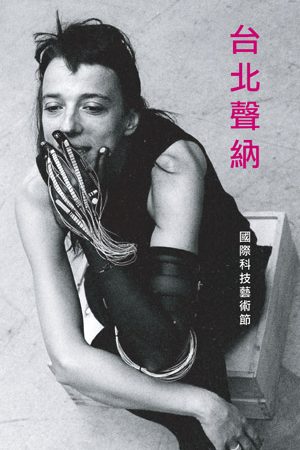
由台北數位藝術基金會主辦的台北數位藝術節,最早自2006年開始舉辦,為台灣眾多商業數位展演中,少數以藝術為出發點的數位展覽,自2009年起發展為國際型的數位藝術節。 The Taipei Digital Arts Festival, organized by the Taipei Digital Arts Foundation, was first held in 2006. Among Taiwan's many commercial digital showcases, it was one of the few with an arts-centered mandate, and developed into an international digital arts festival from 2009 onward.
2008年藝術家王福瑞在任教於台北藝術大學藝術與科技中心時,策劃連續三年的「超響」聲音大型活動,專注在聲音媒材的演出呈現,在許多小型表演活動定位為「實驗中」的同時,也須使作品提出更精緻的展現可能。 In 2008, artist Wang Fu-jui, while teaching at the Arts and Technology Center of Taipei National University of the Arts, organized the 'Ultra Sound' (超響) series over three consecutive years — focused on the performance presentation of sound media, demanding more refined possibilities from works at a time when many…
澎葉生 (Yannick Dauby)和許雁婷在嘉義縣共同合作建置聲音資料庫─嘉義聲音計畫,他們走訪田野、採集嘉義縣地方之聲,並建置聲音資料庫。 Yannick Dauby and Hsu Yen-ting collaborated in Chiayi County to build a sound database — the Chiayi Sound Project. They traveled through the countryside recording the local sounds of Chiayi County and constructing an archive.
「旃陀羅公社」(簡稱K社)於2009由當時就讀政大政研所博士班的張又升創辦,「旃陀羅」是印度教中對賤民的稱呼,是指稱在種姓制度的四個階層之外,一個徹底的他者或異類。 Kandala Commune (K Society) was founded in 2009 by Chang Yu-sheng, then a doctoral candidate in political science at National Chengchi University. 'Kandala' is the Hindu term for the untouchable caste — those who are completely other or alien, beyond the four rungs of the caste hierarchy.
「旃陀羅公社」(簡稱K社)於2009由當時就讀政大政研所博士班的張又升創辦,「旃陀羅」是印度教中對賤民的稱呼,是指稱在種姓制度的四個階層之外,一個徹底的他者或異類。 Chandala Commune (K Society) was founded in 2009 by Chang Yu-sheng, then a doctoral candidate in political science at National Chengchi University. 'Chandala' is the Hindu term for the untouchable caste — those who are completely other or alien, beyond the four rungs of the caste hierarchy.
台北數位藝術中心自2009年起由數位藝術基金會負責營運,是台灣少數以數位藝術為設立宗旨的藝術機構,其中由王仲堃策畫的「噪咖」咖啡廳也是失聲祭等聲音藝術表演的主要演出場地之一。 The Taipei Digital Arts Center, operated by the Digital Art Foundation beginning in 2009, is one of the few arts institutions in Taiwan explicitly dedicated to digital art. The '*Noise Magazine* Café' within it, curated by Wang Chung-kun, is also one of the main performance venues for Lacking Sound Festival…
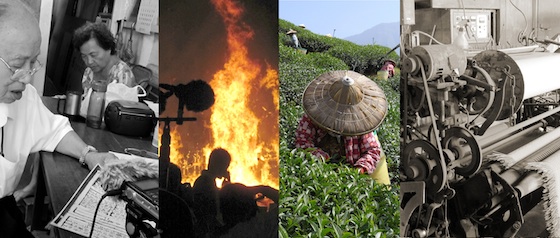
王虹凱「咱的工作進行曲」作品邀請雲林虎尾糖廠退休員工和其配偶,回到工廠錄製現任員工勞動的聲音,回顧台灣工業時代典型的工廠勞動形態,共嗚了屬於一個特有社群的每日生活韻律。 Wang Hung-kai's work Our Daily Chant invited retired workers and their spouses from Yunlin Huwei Sugar Refinery back to the factory to record the sounds of current workers' labor — revisiting a typical industrial-era factory work rhythm and resonating with the daily cadence of a specific community.
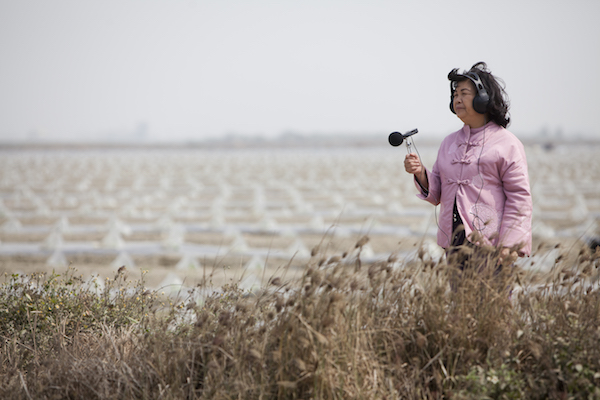
藝術家吳燦政自2010年起,啟動為期六年的台灣聲音地圖計畫。他將台灣分為五大區塊,逐一採集錄製全台灣各地的聲音。 Artist Wu Can-cheng launched a six-year Taiwan Sound Map Project beginning in 2010, dividing Taiwan into five regions and systematically collecting and recording sounds from every corner of the island.
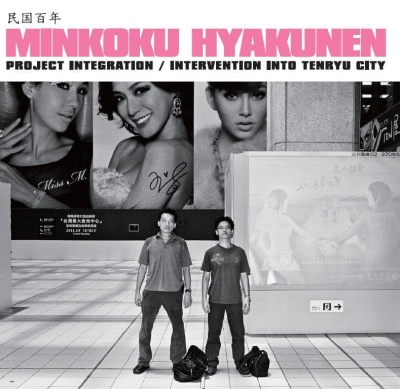
「民國百年」是一個為期一年的聲音考察計畫,成員為張又升、黃大旺與陳藝堂。 Republic Centennial (民國百年) was a year-long sound survey project with members Chang Yu-sheng, Huang Ta-wang, and Chen Yi-tang.
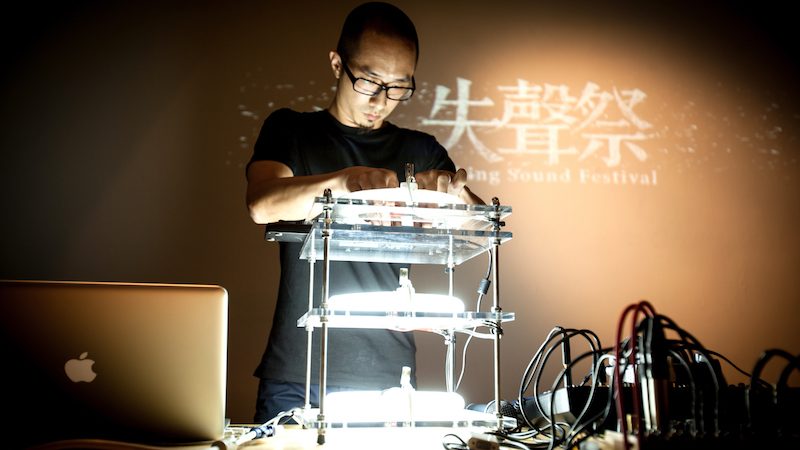
「失聲祭」是由i/O Lab所主辦的常態性聲音藝術表演,從2007年起,每月舉辦一場,內容包括實驗聲響、數位影音及互動影音裝置,是台灣聲音藝術數重要的發表平台。 Lacking Sound Festival (失聲祭) is a regular sound art performance series organized by i/O Lab, held monthly since 2007. Programming includes experimental sound, digital audio-visual work, and interactive audio-visual installations — an important platform for sound art in Taiwan.
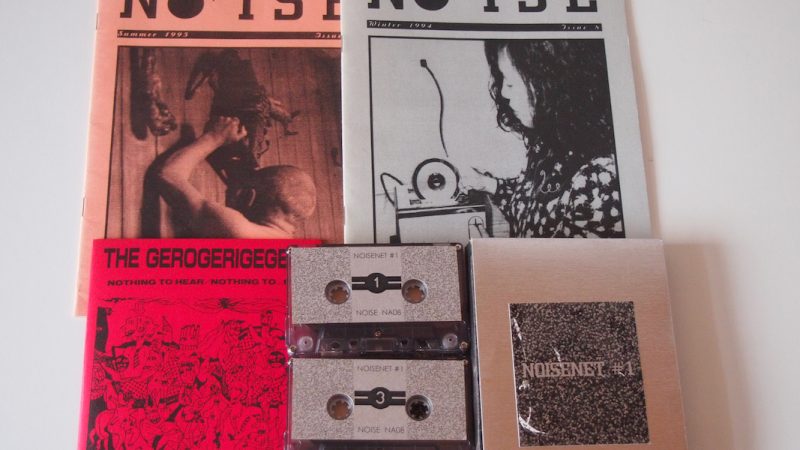
王福瑞,1993年成立台灣第一個實驗音樂廠牌和刊物Noise,現為藝術與科技中心 (Center of Art and Technology)未來聲響實驗室主持人,近十多年來一直致力於聲音藝術、數位藝術的創作與推廣。 Wang Fu-jui founded Taiwan's first experimental music label and journal, NOISE, in 1993. He currently directs the Future Sound Lab at the Arts and Technology Center, and has dedicated over a decade to the creation and promotion of sound art and digital art.